Hijama and Sports Recovery: How Cupping Therapy Benefits Athletes
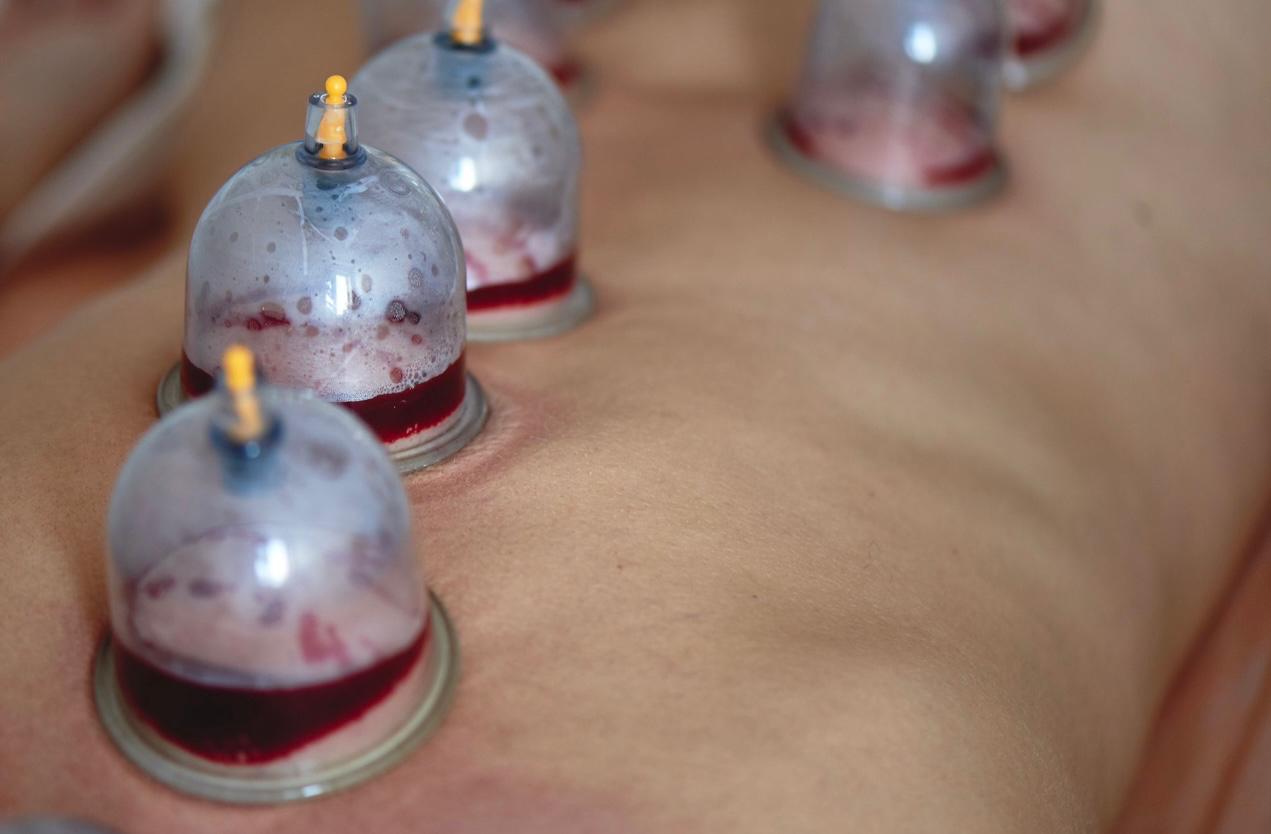
In recent years, Hijama, or wet cupping therapy, has gained significant attention in the sports and wellness communities. Athletes are constantly pushing their bodies to peak performance levels, which often leads to muscle fatigue, soreness, and injuries. Hijama, a traditional form of cupping therapy, offers a natural, drug-free solution for recovery, pain relief, and overall athletic performance enhancement. From top Olympians to professional players, athletes around the world are incorporating cupping therapy into their recovery routines to help keep their bodies in optimal condition. Here’s a detailed look at how Hijama benefits athletes and why it’s becoming an essential part of sports recovery. 1. Enhanced Muscle Recovery and Reduced Soreness One of the primary benefits of Hijama for athletes is its ability to speed up muscle recovery and reduce soreness after intense training or competition. The suction created by cupping therapy stimulates blood flow to the targeted areas, delivering oxygen and essential nutrients that aid in muscle repair. This increased circulation also removes waste products like lactic acid, which can build up after strenuous exercise and cause delayed onset muscle soreness (DOMS). For athletes who train daily or participate in back-to-back competitions, faster recovery times are crucial. Hijama helps reduce muscle soreness and fatigue, allowing athletes to recover quicker and return to their training routines without compromising performance. 2. Relief from Muscular Tension and Tightness Intense training often results in muscle tension and stiffness, particularly in areas like the back, shoulders, and legs. This tension can restrict movement, reduce flexibility, and increase the risk of injury. Hijama therapy is effective at loosening up tight muscles by creating negative pressure, which lifts and stretches the soft tissues. The suction effect of Hijama can act like a deep tissue massage, helping to release knots, relieve tension, and improve flexibility. By reducing muscular tightness, Hijama allows athletes to maintain a full range of motion, which is essential for performing complex movements and preventing injuries. 3. Reduction of Inflammation and Swelling Inflammation is the body’s natural response to injury or overuse, but excessive inflammation can hinder recovery and cause pain. Hijama therapy is known for its anti-inflammatory properties, as it helps to increase circulation and lymphatic drainage in the targeted area. This effect reduces swelling, speeds up the healing process, and alleviates the pain associated with inflammation. For athletes, managing inflammation is crucial, especially after intense workouts or minor injuries. Hijama aids in reducing inflammation naturally, allowing athletes to recover faster without relying on anti-inflammatory drugs, which can have unwanted side effects with prolonged use. 4. Improved Circulation and Oxygenation of Tissues Good circulation is essential for athletic performance and recovery, as it ensures that muscles receive adequate oxygen and nutrients while removing metabolic waste. Hijama improves blood flow by drawing blood to the surface and stimulating capillary expansion in the cupped areas. This increased blood flow supports muscle oxygenation, which is key to preventing cramps, enhancing endurance, and reducing fatigue. For endurance athletes, like long-distance runners or cyclists, improved circulation allows muscles to work longer and recover faster, making Hijama an effective tool for both preparation and recovery in sports training. 5. Pain Relief and Reduced Dependence on Painkillers Athletes are frequently dealing with aches, pains, and injuries, and while painkillers provide temporary relief, they can lead to dependency and have side effects. Hijama offers a natural alternative for pain relief by promoting blood flow and endorphin release, the body’s natural painkillers. By relieving pain and discomfort without the need for medication, Hijama enables athletes to continue training and performing without the risk of dependency on drugs. It is especially effective for chronic pain in areas prone to repetitive stress, such as the lower back, knees, and shoulders. 6. Injury Prevention and Faster Recovery from Injuries In addition to aiding recovery after workouts, Hijama can help prevent injuries by addressing the underlying issues that lead to strain and injury. Regular Hijama sessions can improve flexibility, release muscle tension, and enhance joint mobility, all of which contribute to a lower risk of injuries. For athletes who have already sustained injuries, Hijama can promote faster recovery by reducing inflammation, increasing circulation to the injured area, and stimulating the body’s natural healing processes. Whether recovering from a minor strain or a more serious injury, Hijama provides a non-invasive way to support the healing process and get athletes back to their training. 7. Mental Relaxation and Stress Relief Athletes often experience high levels of physical and mental stress, especially in competitive sports. The pressure to perform can lead to mental fatigue, anxiety, and even burnout. Hijama therapy has a calming effect on the nervous system by stimulating the parasympathetic response, which is responsible for relaxation. Through its ability to reduce physical tension and promote relaxation, Hijama helps athletes manage stress and maintain mental clarity. A relaxed mind is essential for focus, coordination, and reaction times, all of which are crucial in sports performance. Many athletes find that regular Hijama sessions help them achieve a state of mental calm, allowing them to perform at their best without feeling overwhelmed by stress. 8. Detoxification of Metabolic Waste Hijama is known for its detoxifying effects, as it promotes the removal of toxins and metabolic waste products from the body. During intense physical activity, metabolic waste products, like lactic acid, accumulate in the muscles, leading to fatigue and soreness. Hijama helps flush these waste products out, supporting faster recovery and preventing fatigue buildup. For athletes, detoxification is particularly valuable because it helps them maintain peak performance levels and reduces the likelihood of burnout from physical exertion. By eliminating toxins, Hijama supports the body’s natural regenerative processes, keeping athletes energized and ready to train. 9. Boosting Immune System and Reducing Risk of Illness Training and competing at high levels can place stress on an athlete’s immune system, increasing susceptibility to illness. Hijama therapy can help strengthen the immune system by promoting lymphatic drainage, which aids in the removal of pathogens and toxins. A healthy lymphatic system is essential for immune function, as it enables the body to effectively defend against infections. By supporting immune health, Hijama reduces the risk of illness and ensures that athletes can maintain consistent training without frequent interruptions due to sickness. This immune-boosting effect is especially beneficial during intense training periods and competitive seasons. 10. Tailored Treatment for Different Sports Needs Different sports place unique demands on the body. For example, a sprinter may experience tension in the legs, while a weightlifter may have strain in the back and shoulders. Hijama can be tailored to target specific muscle groups and areas under high strain for each type of athlete. With the ability to customize treatment, Hijama becomes an effective tool for addressing the distinct needs of athletes across various sports. Sports-specific Hijama points and techniques enable practitioners to provide focused care that aligns with the requirements of each sport, making it an essential recovery tool for athletes from diverse backgrounds. Conclusion: Hijama as a Key Tool in Athletic Recovery Hijama therapy is emerging as a powerful, holistic approach to sports recovery, offering athletes a natural solution for pain relief, muscle recovery, injury prevention, and mental relaxation. By supporting the body’s natural healing processes, Hijama provides athletes with a sustainable way to manage the physical demands of intense training and competition. As more athletes turn to Hijama for its numerous benefits, it’s becoming an essential addition to recovery routines for professionals and amateurs alike. By incorporating Hijama into their wellness plans, athletes can experience faster recovery times, reduced injuries, and enhanced performance, enabling them to reach their full potential. For anyone in the athletic field, Hijama is a valuable and effective tool that supports both physical and mental well-being.


Why Enroll in an Advanced Level 5 Hijama Diploma? Unlocking Expert Skills and Global Opportunities

Choosing the right level of education in Hijama therapy can significantly impact your expertise, career, and credibility in the field. The Advanced Level 5 Diploma in Hijama offered by World of Cupping Academy provides an in-depth and comprehensive training experience, making it an invaluable choice for those who aspire to become leaders and experts in Hijama therapy. Here’s why enrolling in an Advanced Level 5 course can transform your skills and set you apart in the field: 1. Master the Full Spectrum of Hijama Techniques An Advanced Level 5 diploma program covers the complete range of Hijama techniques, from traditional wet cupping to specialized forms like fire cupping, ice cupping, aqua cupping, and sports cupping massage. This extensive training ensures that you’re proficient in multiple methods, allowing you to offer a broad range of treatments tailored to each client’s needs. With these advanced skills, you’ll be able to address a variety of health concerns, including chronic pain, sports injuries, and stress-related conditions. This mastery over diverse cupping methods gives you the versatility and knowledge needed to provide customized and effective care for each client. 2. Receive Training in Sports Cupping Massage and Treating Sports Injuries The Advanced Level 5 program at World of Cupping Academy also includes training in sports cupping massage techniques and how to address sports-related injuries through Hijama. You’ll learn to apply sports cupping techniques and wet cupping for injuries, enhancing your ability to work with athletes and individuals with active lifestyles. By combining Hijama with sports cupping massage, you’ll be able to provide comprehensive therapy for muscular tension, joint pain, and recovery from intense physical activity. This advanced training opens doors for you to work with athletes and sports professionals, offering specialized care for injury prevention and recovery. 3. Learn All the Hijama Points and Their Therapeutic Benefits The Advanced Level 5 course also includes comprehensive training on Hijama points, ensuring you understand each point’s therapeutic benefits and how to apply them for specific health concerns. Knowing the correct Hijama points allows you to create targeted treatment plans for clients, addressing issues like pain management, hormonal balance, immune support, and more. By learning to locate and effectively utilize each Hijama point, you’ll be able to provide precise and beneficial treatments tailored to individual client needs, enhancing both your expertise and the effectiveness of your services. 4. Receive Training from Globally Recognized Instructors The Advanced Level 5 course at World of Cupping Academy is taught by globally recognized experts, such as Moe Ahmed, who bring a wealth of knowledge and experience to the program. Moe is a renowned figure in Hijama therapy, with extensive experience working with athletes, clients around the world, and specialized techniques developed over years of practice. Learning directly from a recognized expert provides you with unique insights, real-world applications, and advanced techniques that go beyond textbook knowledge. You’ll benefit from the mentorship of an instructor who has been at the forefront of the industry, gaining valuable guidance that enhances your skills and confidence as a practitioner. 5. Achieve International Accreditation and Recognition An Advanced Level 5 diploma from an accredited institution like World of Cupping Academy is recognized internationally, making your certification valid in multiple countries, including the USA, Canada, and the UK. This recognition not only adds credibility to your professional profile but also opens doors to practice in different regions, giving you the flexibility to expand your career globally. With an internationally accredited diploma, you’ll stand out as a qualified expert, attracting clients and career opportunities both locally and abroad. This certification reassures clients and employers alike that you meet the highest standards of training and professionalism in Hijama therapy. 6. Advanced Understanding of Anatomy, Physiology, and Safety Protocols At the Advanced Level 5, the curriculum delves deeply into anatomy, physiology, and pathology to ensure you have a comprehensive understanding of the human body and the safe application of Hijama. Knowing how different systems in the body interact allows you to tailor your treatment plans based on each client’s specific health conditions and concerns. Additionally, safety protocols are a critical part of the advanced curriculum. From maintaining hygiene standards to understanding contraindications and risk management, the Level 5 diploma emphasizes the importance of client safety. This focus on safety and clinical knowledge not only builds your confidence but also enhances your credibility as a responsible and skilled practitioner. 7. Support for Starting and Growing Your Own Practice The Advanced Level 5 diploma isn’t just about mastering techniques—it’s also designed to help you build a successful career. Our course includes training on business development and practice management, giving you the skills to start and run your own Hijama practice. You’ll receive guidance on setting up your business, attracting clients, marketing your services, and managing finances. Additionally, World of Cupping Academy provides resources and support for graduates interested in franchising opportunities. With our brand’s backing, you can start your own practice or even join our established franchise, giving you a fast-track to success with the support of a respected and globally recognized brand. 8. Gain the Confidence to Handle Complex Cases and Deliver Exceptional Results An Advanced Level 5 diploma prepares you to confidently handle complex cases, challenging scenarios, and clients with unique health needs. This advanced training ensures that you are well-equipped to make informed decisions, create personalized treatment plans, and achieve the best possible outcomes for your clients. With the depth of knowledge and expertise you’ll gain, you’ll be able to deliver exceptional results that set you apart as a leading practitioner. This confidence is invaluable in building a loyal client base and growing your reputation as a trusted and skilled Hijama therapist. 9. Be Part of a Global Network of Elite Practitioners Enrolling in an Advanced Level 5 course at World of Cupping Academy means joining a global community of highly skilled practitioners. Our alumni network spans across countries, providing you with opportunities for professional connections, knowledge exchange, and career growth. You’ll be able to connect with like-minded individuals who are also dedicated to advancing their skills and promoting Hijama therapy worldwide. This network offers you ongoing support, mentorship, and collaboration opportunities, ensuring that you continue to grow and develop professionally long after completing your course. Being part of a respected, elite community also adds to your credibility and enhances your career prospects. 10. Access to Continued Education and Latest Industry Developments The field of holistic and alternative therapies is constantly evolving, with new techniques, research, and innovations emerging. As an Advanced Level 5 graduate, you’ll have access to continued education opportunities, including workshops, seminars, and advanced courses offered by World of Cupping Academy. Staying up-to-date with the latest industry developments keeps you at the forefront of Hijama therapy, ensuring you’re offering the most effective and current treatments to your clients. This commitment to continued learning allows you to remain a leader in the field and adapt to the evolving needs of your clients. Conclusion: Elevate Your Career and Expertise with an Advanced Level 5 Diploma Enrolling in an Advanced Level 5 Hijama diploma program is an investment in your future, expertise, and professional growth. By achieving this high-level certification, you position yourself as a top practitioner capable of handling complex cases, advancing your skills, and expanding your career globally. The knowledge, skills, and global recognition you gain through this program provide you with a solid foundation for a successful career. With the Advanced Level 5 diploma from World of Cupping Academy, you’re not just learning a practice—you’re mastering a skillset that empowers you to make a meaningful impact on others’ health and well-being. Take the step to elevate your career, become a trusted expert, and open doors to new opportunities worldwide.

Hijama for Women’s Health: Exploring the Benefits of Wet Cupping for Female Wellness

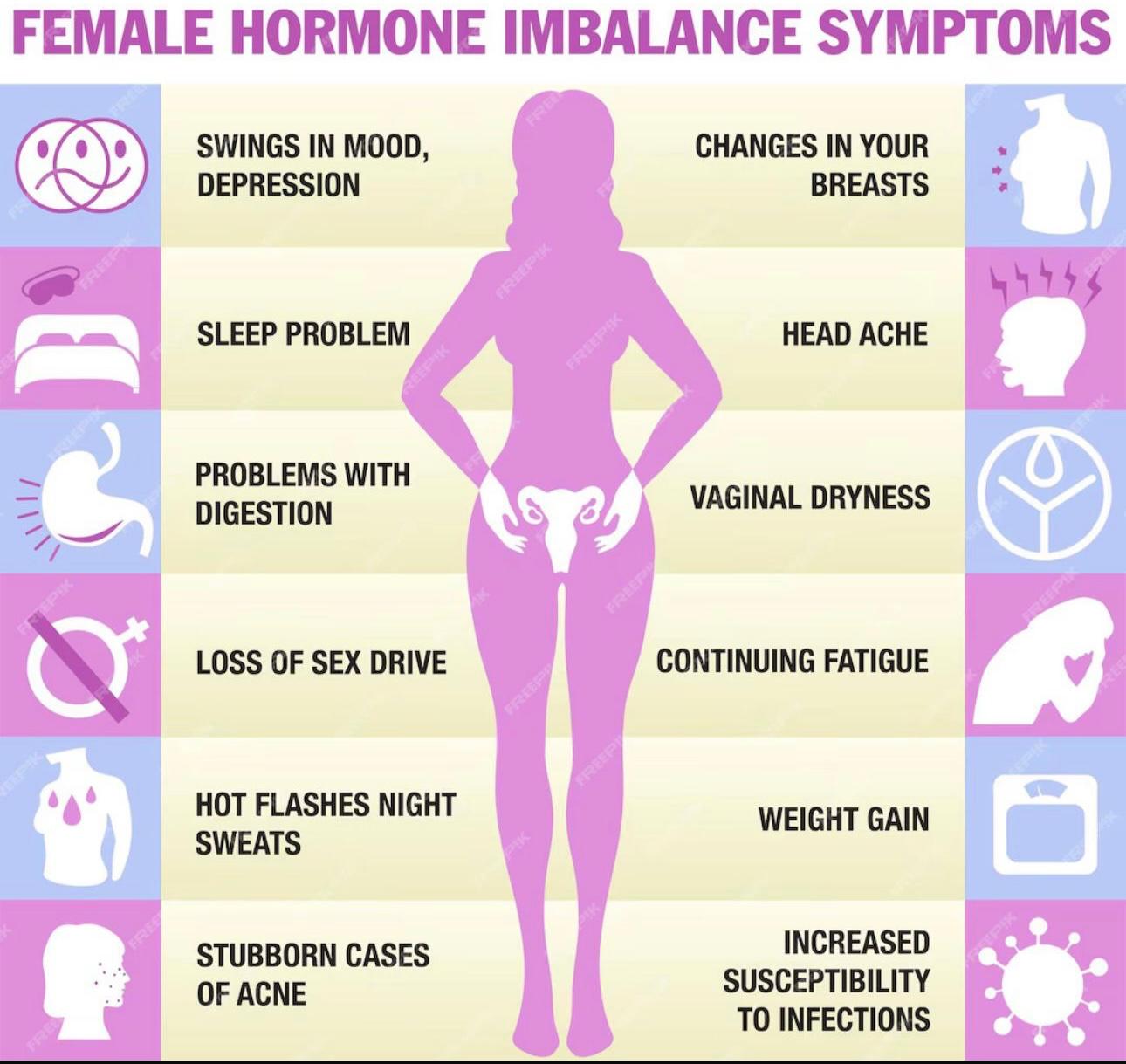
Hijama, also known as wet cupping therapy, is a traditional healing practice with origins spanning thousands of years. This ancient therapy is celebrated for its ability to relieve pain, detoxify the body, and promote overall well-being. While Hijama benefits people of all genders, it has specific applications that are particularly beneficial for women’s health. From addressing hormonal imbalances and menstrual discomfort to supporting reproductive health and easing stress, Hijama provides a natural, holistic approach to many health challenges that women commonly face. In this guide, we will delve into the various ways Hijama supports women’s health, the conditions it may help alleviate, and what women should consider when incorporating Hijama into their wellness routines. Understanding Hijama and Its Mechanism Hijama is a form of cupping therapy that involves creating a vacuum on the skin using special cups. This suction pulls the skin and underlying tissues into the cup, encouraging blood flow and stimulating circulation. In wet cupping, small incisions are made on the skin to allow a small amount of blood to be drawn out. This process is believed to remove stagnant blood, toxins, and impurities from the body, promoting healing and revitalization. Hijama is commonly practiced to address pain, reduce inflammation, enhance blood flow, and support immune health. These effects are not only beneficial for general wellness but also address some specific health needs of women. The Unique Benefits of Hijama for Women’s Health Women’s bodies undergo significant physiological changes throughout different stages of life, from puberty and menstruation to pregnancy, postpartum, and menopause. Each of these stages brings unique health challenges, and Hijama offers various benefits that can support women through these life transitions. 1. Hormonal Balance and Menstrual Health Hormonal balance is essential for maintaining overall health in women. Imbalances in estrogen, progesterone, and other hormones can lead to a range of issues, including menstrual irregularities, premenstrual syndrome (PMS), and symptoms of polycystic ovary syndrome (PCOS). Hijama may help support hormonal balance by improving blood circulation and stimulating the endocrine system. For women with painful or irregular menstrual cycles, Hijama therapy has shown promise in alleviating cramps, reducing bloating, and minimizing other PMS symptoms. By enhancing circulation and reducing inflammation, Hijama may also help ease conditions like endometriosis, where tissues similar to the uterine lining grow outside the uterus, causing pain and menstrual irregularities. 2. Reproductive Health and Fertility Hijama therapy is increasingly being used as a complementary therapy to support reproductive health and fertility. In traditional practice, Hijama is believed to help cleanse the body and promote a balance in the reproductive system, which may positively impact fertility. For women facing challenges such as hormonal imbalances, blocked fallopian tubes, or ovulatory issues, Hijama is thought to aid in detoxification and enhance the body’s natural functions. In particular, Hijama can increase blood flow to the reproductive organs, which may improve the health of the uterus and ovaries. While more scientific research is needed to confirm these benefits, some women have reported improved menstrual regularity and fertility outcomes following Hijama sessions. 3. Support During Pregnancy and Postpartum Recovery While Hijama is typically not recommended during pregnancy, it can be highly beneficial for postpartum recovery. After childbirth, many women experience fatigue, muscle pain, hormonal fluctuations, and emotional changes. Hijama therapy, especially in the postpartum period, can help address these issues, aiding in faster recovery and promoting a sense of relaxation and rejuvenation. Postpartum Hijama is believed to help expel residual toxins, restore hormonal balance, and relieve back pain or pelvic discomfort that may have developed during pregnancy. Additionally, Hijama therapy can support emotional health by reducing stress, improving sleep quality, and aiding in overall relaxation—an essential aspect of postpartum healing. 4. Menopausal Support Menopause is a significant transition in a woman’s life, often accompanied by symptoms such as hot flashes, night sweats, mood changes, and joint pain. Hijama can offer a natural, non-hormonal way to alleviate some of these symptoms. By improving circulation and reducing inflammation, Hijama therapy can help reduce joint stiffness and muscular pain that may occur as estrogen levels decline. Moreover, Hijama’s relaxing effects may help ease the emotional symptoms of menopause, such as anxiety, irritability, and sleep disturbances. Many women find that regular Hijama sessions improve their quality of life during this phase, helping them to manage the physical and emotional challenges that come with menopause. 5. Stress Relief and Mental Well-Being Women often face a unique set of stressors due to the demands of balancing personal, family, and professional responsibilities. Chronic stress can have detrimental effects on both physical and mental health, contributing to issues like hormonal imbalances, digestive problems, and immune suppression. Hijama therapy’s ability to promote relaxation and reduce tension makes it a valuable tool for managing stress. During a Hijama session, the suction of the cups can stimulate the nervous system, promoting a state of deep relaxation similar to that achieved through meditation or massage. This release of physical and mental tension may help lower stress hormone levels, improve mood, and support overall mental well-being. Hijama can be particularly beneficial for women dealing with anxiety, insomnia, or the physical toll of chronic stress. 6. Pain Management and Musculoskeletal Health Women often experience specific musculoskeletal pain, whether due to hormonal changes, physical strain from pregnancy, or lifestyle factors. Conditions such as chronic back pain, shoulder pain, and pelvic pain are common issues that can interfere with daily life. Hijama’s anti-inflammatory effects and its ability to improve blood flow make it an effective therapy for pain management. For example, women suffering from chronic lower back pain may find relief through Hijama, as it helps to release muscle tension and promote healing. Similarly, Hijama can be beneficial for relieving pain associated with fibromyalgia, a condition more prevalent in women, which causes widespread muscle pain and fatigue. Scientific Evidence and Research on Hijama for Women’s Health While traditional beliefs have long supported the use of Hijama for various women’s health issues, scientific research is beginning to catch up. Studies have shown that cupping therapy can help reduce pain and inflammation, improve circulation, and promote relaxation, all of which support the health benefits that Hijama practitioners have advocated for centuries. For instance, a study published in The Journal of Alternative and Complementary Medicine found that cupping therapy could help reduce symptoms of PMS, including bloating, mood swings, and breast tenderness. Another study on chronic pain management suggested that cupping therapy may help release endorphins, the body’s natural pain relievers, further supporting its role in alleviating discomfort associated with conditions like endometriosis or fibromyalgia.

How Hijama Helps Reduce Stress and Anxiety: Mechanisms and Benefits

Hijama works through several mechanisms that contribute to mental relaxation and stress relief. Here’s a look at how Hijama influences the body and mind, making it a valuable therapy for mental health support:
1. Stimulating the Parasympathetic Nervous System
The autonomic nervous system has two primary branches: the sympathetic and parasympathetic systems. The sympathetic system controls the “fight or flight” response, which is activated during stress and anxiety, while the parasympathetic system is responsible for relaxation and recovery. Chronic stress can keep the sympathetic system activated, making it difficult for the body to relax.
Hijama helps stimulate the parasympathetic nervous system, which promotes relaxation and counters the stress response. During a Hijama session, the suction applied through the cups creates a calming effect on the body, similar to the relaxation response triggered by practices like deep breathing or meditation. This shift to the parasympathetic state helps reduce anxiety, lower heart rate, and encourage a feeling of calm.
2. Reducing Cortisol and Balancing Hormones
One of the primary hormones associated with stress is cortisol. When a person is stressed or anxious, the adrenal glands release cortisol, which raises blood pressure, blood sugar levels, and heart rate as part of the body’s preparation to respond to perceived threats. While cortisol is beneficial in short bursts, chronic stress keeps cortisol levels elevated, leading to fatigue, weight gain, weakened immune function, and even mood disorders.
Research suggests that Hijama can help reduce cortisol levels, which helps mitigate the body’s stress response. By lowering cortisol and balancing other hormones, such as serotonin and dopamine (associated with mood regulation and relaxation), Hijama may reduce feelings of anxiety and promote a more balanced mood.
3. Improving Circulation and Oxygenation
Proper circulation is essential for mental well-being, as it ensures that oxygen and nutrients are efficiently delivered to all organs, including the brain. Reduced blood flow to the brain can lead to feelings of fatigue, low energy, and cognitive fog, which are common symptoms of stress and anxiety. Hijama’s suction effect promotes increased blood flow to targeted areas, improving circulation throughout the body and enhancing oxygen delivery to the brain.
With better circulation, the brain receives the necessary oxygen and nutrients to function optimally, which can improve mood, concentration, and overall cognitive function. Improved circulation also helps remove metabolic waste and toxins from the body, reducing inflammation and supporting a clearer, calmer mind.
4. Releasing Muscle Tension and Physical Toxins
Stress and anxiety often result in muscle tension, especially in areas such as the neck, shoulders, and back. Physical tension not only causes discomfort but also reinforces mental stress, creating a cycle where mental and physical tension feed into each other. Hijama works to release this tension by loosening tight muscles and alleviating pain through suction and mild pressure.
The practice of wet cupping also involves a small amount of controlled bloodletting, which is believed to help the body release toxins and stagnant blood. By reducing muscle tightness and removing metabolic waste, Hijama can alleviate physical symptoms associated with stress, which can help calm the mind and provide a sense of relief.
5. Supporting Immune Health and Reducing Inflammation
Chronic stress is known to weaken the immune system and increase inflammation in the body, which can further contribute to mood imbalances and mental health issues. Inflammation is often linked to conditions like anxiety and depression, as it affects the production of neurotransmitters and can disrupt the balance of chemicals that regulate mood.
Hijama has been shown to reduce inflammatory markers in the blood, such as interleukins and C-reactive protein (CRP). By lowering inflammation and supporting immune health, Hijama promotes an environment in the body that is conducive to mental wellness. This effect can make a significant difference for those struggling with anxiety, as reduced inflammation has been linked to improved mood and emotional balance.
6. Encouraging Endorphin Release and Mood Enhancement
Endorphins, often known as “feel-good” chemicals, are natural mood enhancers that the body produces in response to stress relief and physical activity. Endorphins reduce pain perception, promote relaxation, and boost mood, helping people feel happier and more at ease. During a Hijama session, the process of suction and controlled bleeding can stimulate the release of endorphins, similar to the effects seen with other therapeutic practices like massage and acupuncture.
This release of endorphins can provide immediate relief from stress and anxiety, offering clients a natural and drug-free way to improve their mood. The calming effects of Hijama can last beyond the session, providing ongoing mental health support and helping individuals manage stress more effectively.
Scientific Studies on Cupping Therapy and Mental Health
Scientific research on Hijama’s specific effects on mental health is ongoing, but several studies have shown promising results in how cupping therapy influences mental well-being.
•Cortisol Reduction: A study published in Evidence-Based Complementary and Alternative Medicine found that cupping therapy reduced cortisol levels in participants, supporting the idea that it may relieve stress and anxiety.
•Pain and Relaxation: Research on patients with chronic pain conditions has shown that cupping therapy can help reduce pain intensity and promote relaxation. This, in turn, can support mental health by reducing physical discomfort, which is often a factor that exacerbates stress and anxiety.
•Mood Enhancement: Another study published in BMC Complementary and Alternative Medicine noted that cupping therapy improved quality of life and reduced symptoms of anxiety and depression among participants, suggesting that the physical benefits of cupping therapy may contribute positively to mental health.

The Science Behind Hijama: How Cupping Therapy Works

Hijama, or wet cupping therapy, is an ancient form of alternative medicine that has gained renewed interest in recent years, not only for its cultural and historical significance but also for its scientifically supported health benefits. As one of the most studied types of cupping therapy, wet cupping is particularly noted for its potential in pain relief, detoxification, improved circulation, and immune support.
While Hijama’s therapeutic effects have long been valued in traditional medicine, the science behind its mechanisms is increasingly being explored in modern research. In this article, we will look at how Hijama works at a physiological level and explore the evidence supporting its therapeutic effects.
How Hijama Wet Cupping Works: A Breakdown of the Process
Hijama involves two main stages: suction and controlled bleeding. Both steps are integral to the therapy’s effects, each stimulating unique physiological responses in the body.
1.Suction Stage:
•In this stage, specialized cups are placed on the skin, and suction is created either through a vacuum pump or by heating the air within the cup before placing it on the skin. This suction draws the skin and underlying tissues upward, which causes blood to flow toward the cupped area.
•This suction has a mechanical effect that stimulates blood flow, enhances circulation, and promotes lymphatic drainage, which aids in detoxifying the tissues.
2.Controlled Bleeding Stage (Wet Cupping):
•After the suction, the therapist makes small incisions on the skin’s surface within the cupped area. The cups are then reapplied to allow a small amount of blood to be drawn out. This step is believed to remove “stagnant” blood, metabolic waste, and other toxins from the body.
•The process of controlled bleeding is thought to support detoxification by removing blood that may contain inflammatory compounds and other substances the body has yet to process.
These two stages work together to create a unique therapy that combines the benefits of suction-induced blood flow and localized bloodletting, making wet cupping distinct from other forms of cupping therapy.
The Scientific Mechanisms of Hijama Wet Cupping
Research has identified several physiological mechanisms through which Hijama exerts its effects. Here are some of the key ways in which wet cupping impacts the body:
1. Enhanced Blood Circulation
One of the primary effects of Hijama is improved blood circulation. The suction created during cupping causes capillaries in the skin to expand, which allows more blood to reach the cupped area. Increased blood flow delivers oxygen, nutrients, and immune cells, which can aid in tissue repair and reduce inflammation.
Studies have shown that increased circulation helps flush out cellular waste products and toxins. By drawing blood to the area and then removing it through the incisions, Hijama may also help reduce local congestion, which is beneficial for areas affected by chronic pain or inflammation.
2. Removal of Toxins and Metabolic Waste
The concept of removing toxins is central to Hijama, but the term “toxins” can refer to several different compounds in the body, such as metabolic waste, inflammatory markers, and cellular debris. Research suggests that wet cupping may reduce oxidative stress and help eliminate metabolic byproducts. For example, by drawing out “stagnant” blood that may contain a high level of metabolic waste, Hijama supports the body’s detoxification processes.
Studies have measured the levels of specific biomarkers before and after wet cupping sessions, showing a decrease in compounds associated with oxidative stress, which is a factor in chronic inflammation and cellular aging. This effect may partially explain why Hijama is beneficial for patients with conditions like arthritis, migraines, and other inflammatory issues.
3. Anti-Inflammatory Effects
Inflammation is a natural immune response to injury or infection, but chronic inflammation can lead to various health problems, including joint pain, cardiovascular disease, and autoimmune disorders. Hijama therapy is believed to modulate the body’s inflammatory response, thereby reducing inflammation.
The suction effect of Hijama stimulates a localized inflammatory response, which triggers the release of anti-inflammatory compounds in response. Studies have shown that Hijama can reduce levels of inflammatory markers, such as IL-6 and CRP (C-reactive protein), in the blood. By reducing these markers, Hijama may help alleviate symptoms of chronic inflammatory conditions.
4. Pain Relief through Neurochemical Modulation
Pain relief is one of the most widely recognized benefits of Hijama, and scientific studies provide insight into how this occurs. Hijama may reduce pain by modulating the nervous system’s response to pain signals.
When the skin and muscles are lifted during cupping, the body releases natural pain-relieving chemicals, such as endorphins and enkephalins. These neurochemicals act as natural painkillers, reducing the perception of pain. Research has shown that cupping can increase the release of these compounds, providing relief for chronic pain conditions, such as lower back pain, migraines, and fibromyalgia.
5. Improved Immune Response
Hijama also appears to stimulate the immune system, potentially making the body more resilient against illness. The controlled bleeding phase of Hijama may stimulate an immune response by encouraging the production of white blood cells, which are essential for fighting infections.
Additionally, cupping therapy can help with lymphatic drainage, a process that removes waste and pathogens from the body’s tissues. This drainage may reduce the burden on the immune system, allowing it to function more effectively. Some studies suggest that regular Hijama sessions may help strengthen immune function and reduce susceptibility to common infections.
6. Positive Effects on the Autonomic Nervous System
Hijama may influence the autonomic nervous system, which regulates involuntary bodily functions like heart rate, digestion, and respiratory rate. The suction and mild pressure from cupping can stimulate the parasympathetic nervous system, promoting relaxation and reducing stress.
This relaxation response can benefit people who suffer from stress-related conditions, such as anxiety, insomnia, and high blood pressure. By inducing a state of relaxation, Hijama supports overall mental well-being and helps the body recover from the adverse effects of chronic stress.
7. Skin and Tissue Health
The skin is the body’s largest organ and a significant part of the immune system. Hijama can have direct benefits on skin and tissue health by improving blood flow, which enhances the skin’s oxygen supply and nutrient delivery. The increased circulation brought by Hijama may also promote collagen production, which supports skin elasticity and repair.
The slight trauma created by the suction also stimulates the skin to produce more fibroblasts, which are cells involved in healing and tissue regeneration. This process may explain why some people experience an improvement in skin tone, texture, and wound healing after Hijama therapy.
Scientific Studies Supporting Hijama’s Benefits
Several studies have investigated the effects of cupping, providing valuable insights into its potential health benefits. For example:
•Pain Management: A 2017 study published in the Journal of Pain Research found that cupping therapy significantly reduced pain intensity and improved quality of life for patients with chronic low back pain.
•Anti-Inflammatory Effects: Research in the Journal of Traditional Chinese Medical Sciences found that cupping could reduce inflammatory markers like C-reactive protein (CRP) and interleukin-6 (IL-6), suggesting its effectiveness in reducing systemic inflammation.
•Oxidative Stress Reduction: A study published in BMC Complementary and Alternative Medicine observed that wet cupping reduced oxidative stress markers in participants, supporting the idea that cupping helps remove free radicals and toxins.
Conclusion: Hijama as a Scientifically Supported Therapy
While Hijama wet cupping is rooted in ancient tradition, scientific research is gradually validating its therapeutic effects. Studies reveal that Hijama works through various mechanisms, including improved blood flow, detoxification, anti-inflammatory effects, and immune support. The neurochemical and autonomic responses to Hijama also explain why it is effective for both physical and mental well-being.
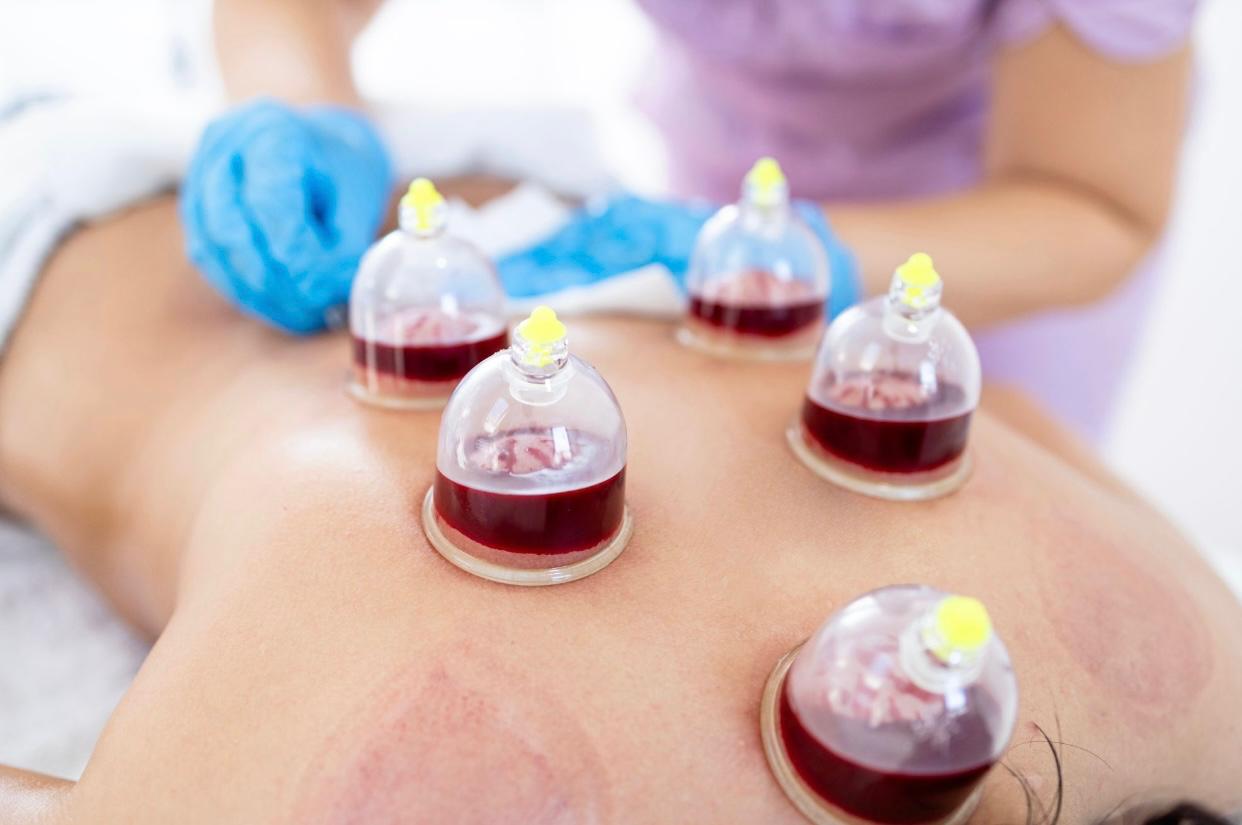
Hijama offers a natural, non-invasive method for managing pain, reducing inflammation, and supporting overall health. As more research emerges, the scientific understanding of Hijama continues to grow, bridging traditional wisdom with modern medical knowledge. For those interested in alternative therapies, Hijama provides a valuable and scientifically supported option that aligns with the body’s natural healing processes.

Hijama for Women’s Health: How Cupping Therapy Supports Hormonal Balance

Hijama therapy is an effective, natural solution for addressing women’s health issues, from menstrual irregularities to fertility support. By stimulating blood flow and promoting detoxification, cupping helps restore hormonal balance and overall well-being.

Elevate Your Practice: Why Enroll in an Advanced Hijama Course?

As a certified Hijama practitioner, you already understand the basics of cupping therapy. But what if you could take your skills to the next level? At World of Cupping Academy our Advanced Hijama Course is designed for practitioners who want to master specialized techniques and expand their practice. Take the next step in your Hijama career by enrolling in our advanced course—it’s the key to becoming a true expert in the field.

The Health Benefits of Hijama: A Comprehensive Guide to the Healing Power of Cupping Therapy

Hijama, also known as wet cupping, is a traditional therapeutic practice with roots dating back thousands of years, used in cultures across the Middle East, Asia, and parts of Europe. Known for its detoxifying and restorative effects, Hijama has recently gained popularity as a holistic alternative therapy with multiple health benefits, both for physical and mental well-being. By creating localized suction on the skin and drawing out a small amount of blood, Hijama helps to alleviate a range of health issues and support the body’s natural healing processes.

In this guide, we’ll explore the many health benefits of Hijama, from relieving pain and detoxifying the body to promoting circulation, reducing inflammation, and supporting mental health.
1. Pain Relief and Muscle Relaxation
One of the most widely recognized benefits of Hijama is its ability to relieve pain and relax tense muscles. The suction created during Hijama therapy stimulates blood flow to targeted areas, which helps to release tension in muscles and soft tissues. This effect can relieve chronic pain conditions, such as:
•Lower back pain
•Neck and shoulder tension
•Migraines and headaches
•Joint pain (including knee and elbow pain)
Hijama is particularly effective in cases of musculoskeletal pain. Studies have shown that cupping therapy can stimulate the release of endorphins, which are natural pain relievers in the body, providing immediate and long-lasting relief from various types of pain.
2. Detoxification and Elimination of Toxins
A key belief in Hijama therapy is its ability to remove “stagnant” or “impure” blood, which is thought to contain toxins, cellular waste, and metabolic byproducts that may contribute to ill health. During a Hijama session, the controlled bleeding phase allows a small amount of blood to be drawn out, which helps to cleanse the body of unwanted toxins.
This detoxifying effect supports liver and kidney function by reducing the body’s toxic load. While the term “toxins” is broadly used in holistic health, research has shown that Hijama can lower oxidative stress markers, potentially reducing free radicals and supporting the body’s natural detoxification processes.
3. Improved Blood Circulation
Improved circulation is one of Hijama’s most direct and beneficial effects. The suction created during the therapy stimulates blood flow in the treated areas, bringing oxygen, nutrients, and immune cells to the tissues. This enhanced circulation supports healing, tissue repair, and overall physical vitality.
For individuals with poor circulation, Hijama helps by reducing blood stagnation and promoting the movement of blood and lymph. Improved circulation can lead to better cellular health, faster recovery from injuries, and enhanced energy levels. It’s especially beneficial for those with sedentary lifestyles or conditions that limit movement, as it promotes blood flow in areas that might otherwise experience stagnation.
4. Reduction of Inflammation and Swelling
Chronic inflammation is a common issue that contributes to various health conditions, including arthritis, autoimmune diseases, and metabolic disorders. Hijama is known for its anti-inflammatory effects, which help reduce swelling and discomfort in affected areas. By promoting blood flow and lymphatic drainage, Hijama can reduce fluid build-up in tissues, alleviating swelling and inflammatory responses.
Studies have shown that Hijama can decrease levels of pro-inflammatory markers, such as interleukins and C-reactive protein (CRP), making it a valuable therapy for managing inflammation. This effect benefits individuals with conditions like rheumatoid arthritis, fibromyalgia, and muscle strains.
5. Strengthening the Immune System
Hijama is believed to enhance immune function by promoting the removal of toxins and stimulating the production of white blood cells. White blood cells are critical in defending the body against infections and pathogens. By drawing out “stagnant” blood, Hijama encourages a response from the immune system, which helps the body’s defenses remain strong and active.
Additionally, the suction effect from cupping therapy helps move lymph fluid throughout the body, which aids in the removal of toxins and pathogens. This improved lymphatic flow supports immune health, as it clears away waste and promotes the body’s natural defense mechanisms.
6. Balancing Hormones and Supporting Menstrual Health
Hijama has been traditionally used to address hormonal imbalances and menstrual issues in women. Hormones play a crucial role in regulating various bodily functions, including mood, metabolism, and reproductive health. Imbalances in hormones can lead to issues like menstrual pain, irregular periods, and symptoms of conditions such as polycystic ovary syndrome (PCOS) and endometriosis.
Hijama helps balance hormones by improving blood flow and promoting the detoxification of excess hormones and toxins that may disrupt endocrine function. This therapy is particularly useful for women experiencing premenstrual syndrome (PMS), menstrual cramps, and irregular cycles, as it relieves pain and supports hormonal balance.
7. Enhanced Skin Health and Anti-Aging Benefits
The skin is the body’s largest organ and an essential part of the immune system. Hijama’s effects on circulation and detoxification can benefit skin health by promoting oxygen and nutrient delivery to the skin cells. Increased blood flow can help with skin conditions such as acne, eczema, and psoriasis, and may even improve skin tone and texture.
Hijama can also stimulate the production of collagen and fibroblasts, which are responsible for skin elasticity and repair. This makes Hijama a valuable therapy for anti-aging, as it helps the skin stay firm, radiant, and youthful. Additionally, the detoxifying effect may reduce the occurrence of breakouts and other skin issues caused by toxins and impurities.
8. Improving Digestive Health
Hijama therapy can aid in digestive health by promoting blood flow to the abdominal region, which supports the organs responsible for digestion. Improved circulation can benefit issues such as:
•Constipation
•Bloating
•Irritable Bowel Syndrome (IBS)
•Acid reflux
By supporting the digestive system’s natural function, Hijama helps improve nutrient absorption and waste elimination, which in turn supports overall energy levels and vitality. The relaxation effects of Hijama can also help relieve stress-induced digestive issues, promoting a healthy gut environment.
9. Relief from Migraines and Headaches
Migraines and chronic headaches can be debilitating, often resulting from a combination of stress, tension, poor circulation, and inflammation. Hijama’s effects on blood flow, muscle relaxation, and detoxification make it an effective therapy for headache relief. By targeting specific Hijama points associated with headaches, cupping therapy can reduce pain and tension around the head, neck, and shoulders.
Studies suggest that Hijama can relieve migraines by improving blood circulation in the brain and helping to release muscle tension that often contributes to headaches. For individuals who experience migraines related to stress or hormonal changes, Hijama offers a natural, drug-free way to manage symptoms.
10. Mental Health Benefits: Reducing Stress and Anxiety
Hijama has positive effects on mental health by promoting relaxation and reducing stress. The parasympathetic stimulation achieved through Hijama helps calm the nervous system, which in turn reduces anxiety and mental tension. This relaxation effect is similar to the benefits of massage or meditation, helping clients feel a sense of calm and balance after a session.
Research suggests that Hijama may help lower cortisol, the primary stress hormone, and support the release of endorphins and serotonin, which are associated with improved mood and well-being. These effects make Hijama a valuable therapy for those dealing with stress, anxiety, or other mental health concerns.
11. Promoting Faster Recovery for Athletes and Active Individuals
For athletes and physically active individuals, Hijama can play a key role in recovery and injury prevention. Hijama’s effects on blood flow and muscle relaxation can aid in faster recovery from workouts, alleviate muscle soreness, and reduce the risk of injuries. By promoting circulation and reducing inflammation, Hijama helps with the healing of soft tissue injuries, such as muscle strains, tendonitis, and ligament sprains.
Additionally, sports cupping techniques in Hijama can target specific muscle groups and areas under high strain from physical activity. This makes Hijama an excellent choice for athletes looking to enhance their performance and recovery naturally.
12. Support for Chronic Health Conditions
For individuals managing chronic health conditions, Hijama provides supportive care that can complement conventional treatments. By reducing inflammation, improving blood flow, and supporting immune health, Hijama can provide relief from symptoms associated with various chronic conditions, including:
•Fibromyalgia
•Chronic fatigue syndrome
•Autoimmune disorders
•Arthritis
Many clients find that regular Hijama sessions help them manage symptoms, reduce pain, and improve their overall quality of life, making it a powerful tool for holistic management of chronic health conditions.
Conclusion: Hijama as a Holistic Health Solution
Hijama is a versatile and effective therapy with benefits that extend beyond pain relief, addressing a wide range of physical and mental health concerns. By supporting circulation, detoxification, and relaxation, Hijama promotes holistic healing and enhances the body’s natural resilience. Whether used for managing chronic pain, balancing hormones, reducing stress, or aiding in athletic recovery, Hijama provides a natural, drug-free way to support well-being.
With its comprehensive health benefits, Hijama continues to be valued as a powerful healing modality in both traditional and modern contexts. For individuals seeking a holistic approach to health, Hijama offers an effective and safe option for improving quality of life and supporting long-term wellness.

What is Hijama? A Complete Guide to Cupping Therapy

Hijama, or cupping therapy, is an ancient healing method with roots in various cultures, including traditional Chinese and Islamic medicine. It involves using cups to create suction on the skin, drawing out toxins, and promoting better blood circulation. Learn how this centuries-old practice is making a comeback in modern holistic health and how it can benefit you.

What is Wet Cupping? Understanding the Ancient Art of Hijama

Wet cupping, also known as Hijama, is an ancient form of therapy that has been practiced for thousands of years across various cultures, including those of ancient Egypt, Greece, and China. Today, wet cupping is experiencing a resurgence in popularity, not only as a traditional healing practice but also as a scientifically supported complementary therapy. It is often used to treat a range of physical ailments, improve circulation, remove toxins, and promote overall well-being.
In this guide, we will explore the origins, techniques, benefits, and considerations surrounding wet cupping, providing a thorough understanding of why this therapy has been so valued throughout history and why it remains a popular choice for holistic healing today.
Origins and History of Wet Cupping
The practice of cupping can be traced back over 3,000 years to ancient Egyptian medical texts, such as the Ebers Papyrus, which describes the use of cupping for pain relief and health restoration. Similarly, in ancient Greece, the physician Hippocrates endorsed cupping as a method for treating internal disease and musculoskeletal disorders. Cupping also became a key component of traditional Chinese medicine, where it was believed to balance the body’s energy, or “qi,” and help with ailments ranging from respiratory infections to digestive issues.
Wet cupping specifically is thought to have been practiced in the Middle East and Islamic countries, with the Prophet Muhammad reportedly advocating its use. In Islam, wet cupping is seen not only as a medical treatment but also as a form of spiritual and physical purification, believed to cleanse the body of impurities and balance one’s health.
What is Wet Cupping?
Wet cupping, or Hijama, is a type of cupping therapy that involves creating suction on the skin using cups and then making small, superficial incisions to draw out a small amount of blood. The therapy typically involves two stages:
1.Application of the Cups: Special cups, usually made of glass, bamboo, or plastic, are placed on the skin at specific points on the body. Using a suction technique, which can be achieved through a vacuum pump or by heating the air within the cup, the cups create a vacuum effect that pulls the skin upwards. This suction encourages increased blood flow to the area, stimulating circulation and beginning the therapeutic process.
2.Controlled Incisions and Bloodletting: After a few minutes of suction, the cups are removed, and the therapist makes small, shallow incisions in the skin using a sterilized surgical blade or needle. The cups are then reapplied to the same area, and a small amount of blood is drawn out. This process is believed to remove “stagnant” blood, toxins, and other impurities, which practitioners believe helps in detoxifying the body and restoring energy flow.
The Benefits of Wet Cupping
Wet cupping is associated with a variety of health benefits, and while research is ongoing, both traditional beliefs and modern studies highlight its therapeutic potential. Some of the commonly reported benefits include:
1.Pain Relief: Wet cupping has been shown to be effective in managing pain, especially for chronic conditions such as back pain, migraines, and arthritis. The suction and incisions help release muscle tension, promote blood flow, and may reduce inflammation, leading to pain relief for the patient.
2.Detoxification: One of the core beliefs behind wet cupping is that it removes toxins from the blood. While the concept of “toxins” can vary, practitioners believe that by drawing out stagnant blood, the therapy helps clear impurities and supports the body’s natural detoxifying processes.
3.Improved Circulation: The vacuum created during cupping increases blood flow to targeted areas, which is thought to oxygenate tissues, enhance nutrient delivery, and support cellular repair. Improved circulation can have a positive effect on healing, energy levels, and overall physical function.
4.Reducing Inflammation: Cupping has been shown to reduce inflammation, making it useful for conditions such as arthritis, fibromyalgia, and other inflammatory diseases. By bringing fresh blood to the area and encouraging the removal of stagnant fluids, cupping can help reduce the swelling and discomfort associated with inflammation.
5.Immune System Support: Some practitioners believe that wet cupping stimulates the immune system by promoting lymphatic drainage and blood circulation. This effect may assist the body in defending itself against illness, as better circulation can enhance immune response.
6.Relaxation and Stress Relief: The practice of cupping also has a calming effect on the nervous system. Many people who undergo cupping report feeling relaxed and stress-free after a session. The suction and release of the cups are thought to release tension, similar to a deep-tissue massage.
The Science Behind Wet Cupping
While traditional beliefs underpin much of wet cupping’s popularity, there is a growing body of scientific research exploring its potential mechanisms and benefits. Studies suggest that cupping may stimulate the release of certain biochemicals, such as nitric oxide, which promotes blood flow and reduces oxidative stress. Other research points to the anti-inflammatory and antioxidant effects of wet cupping, which may explain its efficacy in treating pain and inflammatory conditions.
For example, a study published in the journal BMC Complementary and Alternative Medicine found that wet cupping reduced blood markers of oxidative stress in patients, indicating a possible reduction in inflammation. Other studies have shown improvements in pain management and overall well-being in individuals who undergo regular cupping therapy, particularly for musculoskeletal issues and migraines.
What to Expect in a Wet Cupping Session
For those new to wet cupping, understanding what to expect during a session can help ease any anxieties. Here’s a general outline:
1.Preparation: The therapist will assess your health condition, discuss any specific ailments or goals you have, and explain the procedure. Areas of the skin where the cups will be applied are cleaned and sterilized.
2.Application of Cups: The therapist will apply cups to specific points on your body, often the back, shoulders, or other areas experiencing pain or tension. Suction is created, drawing the skin and blood upward into the cup, where it is held for a few minutes.
3.Incisions: After the suction phase, the therapist will remove the cups and make small, shallow incisions on the skin. These incisions are not deep; they are designed to draw out only a small amount of blood and cause minimal discomfort.
4.Reapplication of Cups: The cups are reapplied over the incisions to draw out the blood. This phase lasts a few minutes, after which the therapist will remove the cups and clean the area.
5.Aftercare: The therapist may provide instructions on aftercare, such as keeping the area clean and avoiding strenuous activity for a few hours. Some individuals may experience mild soreness or bruising, which usually resolves within a few days.
Precautions and Considerations
While wet cupping is generally considered safe when performed by a trained practitioner, there are a few precautions to keep in mind:
•Hygiene: Ensure that your therapist uses sterilized equipment and follows hygienic practices to prevent infection.
•Health Conditions: People with certain conditions, such as hemophilia, skin disorders, or severe anemia, should avoid wet cupping unless advised otherwise by a healthcare professional.
•Licensed Practitioners: Seek a licensed or certified practitioner who has undergone formal training in wet cupping. This ensures the procedure is done safely and effectively.
Conclusion: Why Wet Cupping Endures
Wet cupping, or Hijama, continues to captivate people worldwide due to its holistic approach to healing and its alignment with the body’s natural processes. By combining traditional knowledge with scientific inquiry, wet cupping has carved a space in modern complementary and alternative medicine, offering a unique and effective therapy for pain relief, detoxification, and wellness.
For those considering Hijama, the benefits are multi-dimensional: physical relief, mental relaxation, and a sense of restored balance and vitality. As more research emerges, wet cupping may continue to be appreciated as both an ancient and scientifically validated approach to health, providing practitioners and clients alike with a pathway to better well-being. Whether as a standalone treatment or a complement to other therapies, wet cupping holds an enduring appeal that speaks to its effectiveness and its respect for the body’s intrinsic healing power.

It seems there's a connection issue.

Please try again in a few minutes.